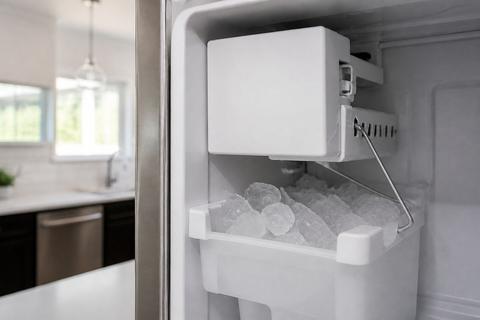
Whirlpool Refrigerator Ice Maker Error Codes: Fix Guide
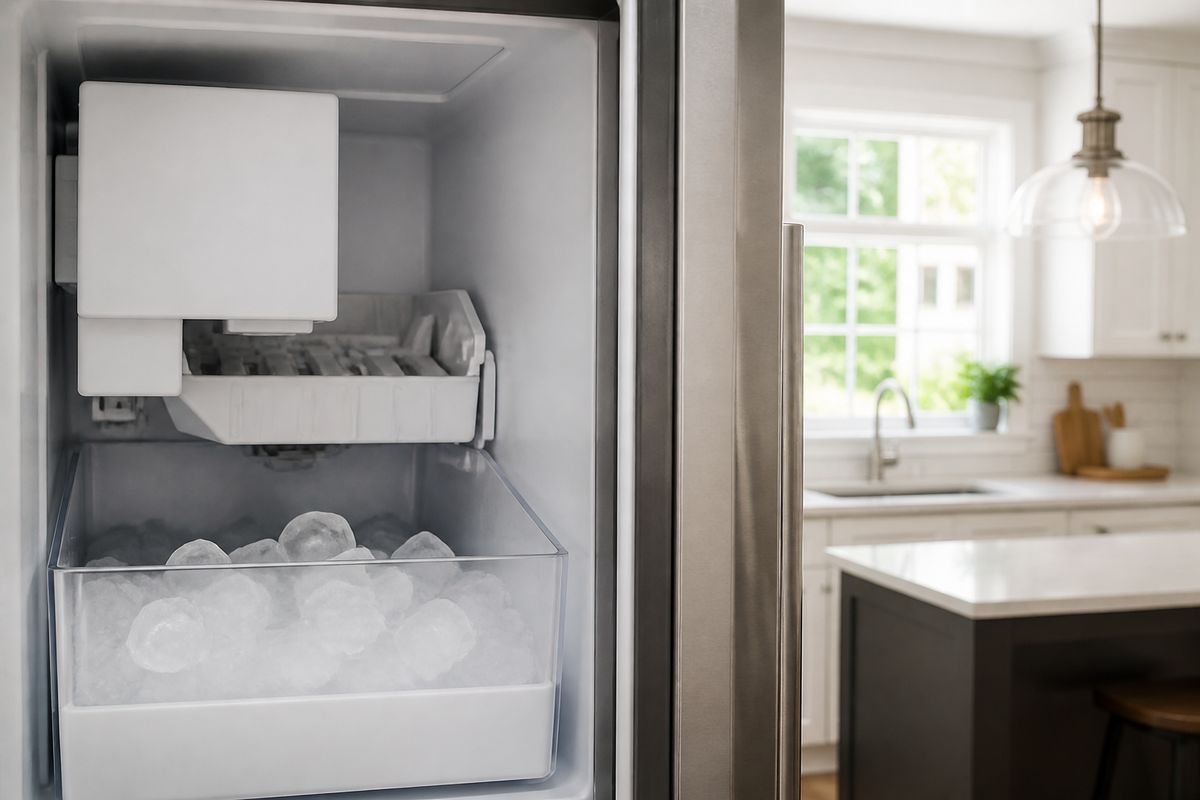
If you’re seeing whirlpool refrigerator ice maker error codes or your dispenser suddenly stops working, you’re not alone—ice production can fail quickly when a sensor, water path, or motor cycle goes wrong. The good news: many problems are fixable with a clear diagnosis, a water-supply check, and the right reset steps. Use this guide to interpret the code pattern, fix the most likely cause first, and decide when the ice maker module or main controls need service.
For more help, see our Whirlpool Ice Maker Not Working: Fixes and Diagnosis guide.
Start with the Basics: What the Code Means
How Whirlpool ice maker codes differ from other appliance errors
Whirlpool ice maker codes apply to the refrigerator’s ice system (or the specific ice maker module), not to washer, dishwasher, dryer, or water-heater diagnostics. Whirlpool also uses different code systems across product lines and configurations (built-in ice makers vs. refrigerator-mounted modules), so the same letter or number pattern can mean different things on different appliances. Your goal is to treat the code as a fault direction—water feed, temperature/sensor input, harvest/motor cycle, or communication with the refrigerator control board. Look at the exact code on the refrigerator display and match it to the ice maker function rather than comparing it to other Whirlpool appliances you may own.
Read the display, lights, and blink patterns correctly
Before you replace parts, document what you see. Record the exact error code (for example, E0–E5) and how it displays: some models show a letter/number on the screen, while others use indicator LEDs that blink in a pattern. If your unit has an ice maker “ON/OFF” status indicator, confirm whether it’s enabled. Also check whether the refrigerator is in a special mode (power-saving or demo mode) that can interrupt cycles. The most actionable reading is: Is the code active right now, does it clear when you power-cycle, and does it return during the next ice-making attempt? That tells you whether the problem is temporary or persistent.
When an ice maker code points to a power or control issue
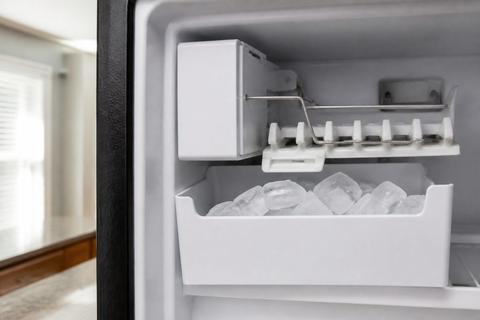
Some ice maker codes indicate the module isn’t communicating or receiving stable signals, which can mimic a “bad ice maker” even when the water path is fine. If the code appears immediately on startup or after a power outage, start with power and control basics: confirm the refrigerator is plugged in securely, the outlet has power, and the unit isn’t tripping a breaker. Then check whether the ice maker has an external shutoff arm/paddle: on many Whirlpool inline and modular ice makers, the wire feeler arm (or sliding paddle) must be in the down position to turn ice ON; leaving it up prevents harvesting and ice drops. If the ice maker is enabled but the same control-related code keeps returning, the main control board or wiring harness becomes the prime suspect.
Common Whirlpool Ice Maker Error Codes and Causes
E0, E1, and E2: sensor, communication, or tray problems
E0/E1/E2 codes typically relate to sensing inputs or ice harvesting/level detection issues in the ice making cycle. Start by inspecting the simplest physical causes: ice buildup, a stuck shutoff arm/paddle, or a tray area blocked by frost. Then check water flow during harvest—if the mold never fills normally, the sensor can fault due to an incomplete cycle. For sensor/communication-type faults, look for signs of poor connection: unplug the refrigerator, reseat the ice maker’s wire harness connections at the module, and ensure no harness pins are bent or corroded. Finally, observe whether the code returns right when the ice maker should harvest (often after a full cycle). If it does, the ice maker module electronics or the refrigerator control board signal path is likely.
E3, E4, and E5: motor, harvest, or fill-related faults
E3/E4/E5 codes commonly point to the ice maker motor/harvest mechanism or the fill step of the cycle. If you hear repeated attempts but ice never drops, a harvest/motor issue or jam is likely. Inspect for a jam by removing the ice bucket and checking the chute and mold area for stuck cubes, then verify the ejector/harvest mechanism moves freely without excessive resistance. For fill-related faults, focus on the water path: check the water filter (overdue filters cause low flow), confirm water pressure is adequate (roughly 35–120 psi at the supply line), and look for a frozen fill tube (the thin tube feeding the ice mold). If the fill tube is frozen, thaw it and address the inlet valve if water still won’t feed reliably.
Codes that often mean a reset or replacement is needed
Some codes clear after a power-cycle, especially when the refrigerator had a recent interruption or the ice maker went through an incomplete cycle due to temporary frosting or a minor water-pressure dip. Do a reset that targets the ice system: unplug the refrigerator for about 60 seconds, then plug it back in and wait for the next ice-maker call cycle. If the code returns immediately when the module attempts to fill/harvest, don’t keep resetting—proceed to the correct subsystem. Replacement is more likely when repeated inspections show no jam and water flow is normal but the motor/harvest step fails or the module won’t reliably communicate. After any repair that restores the cycle, give the system time: most Whirlpool ice makers require about 24 hours to return to a normal production rate.
Fix the Most Likely Ice Maker Problems First
Check water supply, filter, and inlet valve
Ice maker errors frequently trace back to the water side, so start here. First, check the water filter status and airflow through the filter housing; replace the filter if it’s overdue. Whirlpool EveryDrop filters are rated around 6 months / 200 gallons (depending on model), so an old filter can cause low fill volume. Next, confirm household water pressure is within spec (roughly 35–120 psi). Inspect the inlet valve area for leaks, kinks in the supply line, and signs of restricted flow. If the ice maker has a thin fill tube, check whether it’s frozen or partially blocked. If the tube is frozen, thaw it and confirm the inlet valve can supply water during the next harvest/fill attempt before moving on to electrical checks.
Inspect the ice maker for jams, frost, or misalignment
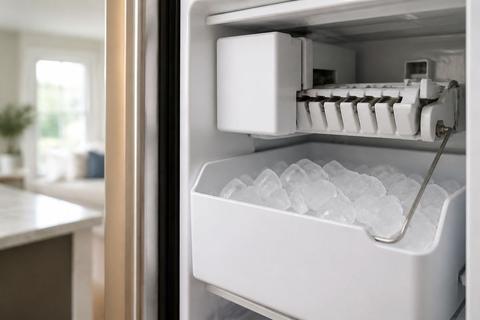
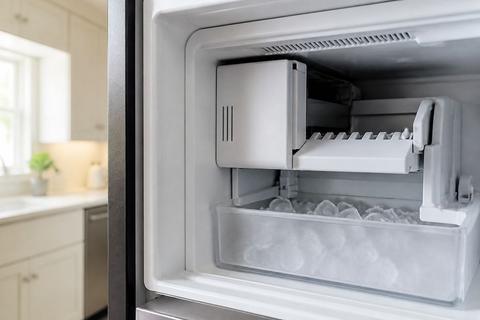
A jam or frost pattern can trigger sensor faults and harvest/motor errors even when the electronics are fine. Start by turning the ice maker OFF using the shutoff arm/paddle position, then remove the ice bucket (if your model uses one). Look for stuck cubes in the chute and around the ice mold area. Clear blockages carefully without damaging wires or sensors. If you see heavy frost on the mold or nearby areas, focus on the freezer running too warm or airflow issues, but first remove the ice buildup. Finally, verify the feeler arm/paddle is not stuck in the wrong position. On many Whirlpool inline ice makers, the arm/paddle must move freely—down for ON, up for OFF—or the unit won’t complete harvest reliably.
Power-cycle the refrigerator and clear temporary faults
A reset can clear transient faults caused by power fluctuations, a half-finished harvest, or a temporary sensor reading. Do a full refrigerator power reset rather than only pressing buttons: unplug the refrigerator, wait 60 seconds, and plug it back in. If the display returns an ice-related code after the power restore, observe whether the code occurs on the ice maker’s next scheduled attempt to fill/harvest. Before letting time pass, confirm the ice maker is enabled (shutoff arm/paddle down) and the water path isn’t obstructed. After you clear a jam or thaw a frozen fill tube, plan for production to resume gradually—many Whirlpool models don’t reach steady output immediately, so allow about 24 hours for normal production rates.
When the Problem Is Not the Ice Maker Itself
Control board and wiring issues that can mimic ice maker errors
Ice maker codes can be triggered when the ice maker module isn’t getting the correct signals from the refrigerator control board, or when a harness connection is failing intermittently. If you’ve verified water supply, filter condition, freezer temperature, and cleared any jam, move to electrical integrity. With power unplugged, inspect the wiring harness at the ice maker module: look for loose connectors, corrosion, pinched wires, or damaged insulation near the rear of the refrigerator or behind the ice area. Reseat connections firmly and check that the harness routing hasn’t pulled partially out. If the code returns consistently even after mechanical and water fixes, the main refrigerator control board, the ice maker module electronics, or the wiring between them becomes the likely fault path.
Temperature, door seal, and defrost problems that stop ice production
Ice production depends on freezer temperature and proper defrost behavior. If the freezer is running too warm, the ice maker can struggle with freezing and harvest timing, which can cause sensor or harvest-related codes. Check that the freezer is holding about 0–5 degrees F and that the vents aren’t blocked by food items. Then inspect the door seal for gaps or wear: a leaking seal can introduce warm air and lead to repeated frost/ice irregularities. Finally, consider defrost issues: if the evaporator coil builds heavy frost, the system may not regulate temperature effectively, indirectly stopping ice production. If you see unusual frost patterns in the freezer, address that root cause before replacing the ice maker module.
Why unrelated Whirlpool error codes can still help narrow the diagnosis
Other Whirlpool refrigerator codes can reveal the underlying condition that triggers ice maker failures. For example, a temperature-control or defrost-related code elsewhere in the system explains why the ice maker never freezes properly or harvests inconsistently. Communication-related codes can also point away from a mechanical jam and toward wiring/control issues. Treat those additional codes as “context” rather than direct ice maker instructions: use them to decide whether to focus on freezer regulation, defrost performance, or control-board signal delivery. When you have multiple active codes, prioritize the one that relates to temperature, defrost, or main control communication—because the ice maker module depends on those systems to complete its cycle correctly.
Model-Specific Notes for Whirlpool and KitchenAid Units
Built-in ice makers versus refrigerator-mounted modules
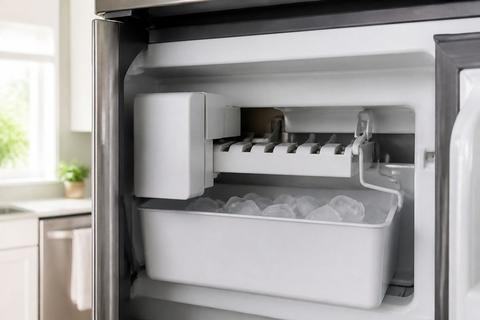
Whirlpool and KitchenAid refrigerators use different physical designs, and the troubleshooting path changes slightly by configuration. Built-in ice makers are integrated into the freezer area and often share sensors and wiring directly within the freezer assembly. Refrigerator-mounted modules (inline or remote-style) sit on the wall and feed ice into the bin via chute mechanisms; these may have distinct fill paths and test access points. In both cases, start with the same essentials: confirm the ice maker is enabled, check water flow and the fill tube for freezing, and clear jams. When a code points to module-specific steps (harvest, fill, or sensor timing), match your diagnostic approach to your ice maker design rather than assuming the same access method applies across models.
How KitchenAid and Whirlpool code labels can differ
Even within the same manufacturer group, code labels can vary by model and user-interface layout. A Whirlpool ice maker error code might appear in a different format than a KitchenAid unit’s display, and some models show different letter/number pairings for the same failure type. Rely on the code’s function meaning (sensor/communication vs. motor/harvest vs. fill/water path) rather than chasing an exact label across brands. Also consider that KitchenAid units may use distinct indicator-light sequences if the display is segmented or if they use “ice” status LEDs. If you can, note the model number and the exact code text as it appears—then focus on the steps that address that function.
What to check before calling for service
Before scheduling service, ensure you’ve completed the highest-yield checks that technicians expect: confirm ice maker ON/OFF position (arm/paddle down), inspect for jams or frost, verify water filter status and replace if overdue, and check water pressure at the supply line. Confirm the freezer temperature is within about 0–5 degrees F, and that the door seal isn’t allowing warm air in. Thaw a frozen fill tube if present and check whether water actually enters during the fill step. If you’ve cleared a jam or thawed the line and the code returns immediately on the next cycle, document the exact code, how it displays (screen vs blinking), and the conditions when it appears. That record helps decide whether the repair is likely the ice maker module, inlet valve, wiring, or the main control.
Prevent Future Ice Maker Errors
Routine cleaning and filter replacement schedule
Preventing ice maker errors starts with the two biggest cycle disruptors: restricted water flow and ice buildup. Replace the water filter on schedule—Whirlpool EveryDrop filters are rated around 6 months / 200 gallons, so track your household usage and change early if you notice slower fill. Keep the ice chute and bin area clean to reduce cube bridging and blockages that trigger harvest failures. If your model allows ice bucket removal, empty and clean it periodically with mild soap and water, then dry fully before reinstalling. For freezer frost control, don’t pack items too close to vents and avoid leaving the freezer door open longer than necessary. A clean, correctly filtered water path reduces both sensor faults and fill-related error codes.
How to keep the freezer temperature stable
Stable freezer temperature prevents repeated frost patterns, incomplete harvest cycles, and slow or hollow ice. Set the freezer control so the compartment stays around 0–5 degrees F and avoid frequent temperature spikes caused by long door openings or heavy stocking. Check the door gasket for tight closure and replace it if it’s loose, cracked, or iced over. Ensure the air vents are not blocked and that the fan isn’t obstructed by food packages. If you see recurring frost buildup on interior surfaces or uneven cooling, treat that as a freezer system issue first—because an ice maker can’t freeze and eject properly when defrost and airflow aren’t consistent.
Signs the ice maker is nearing failure
Look for early warning patterns rather than waiting for total shutdown. Common signs include slow ice production, small or hollow cubes, ice that clumps in the bin, repeated error codes after clearing minor jams, or inconsistent dispensing. If replacing an overdue water filter and correcting water flow doesn’t restore normal ice volume and harvest behavior within about 24 hours, the module may be failing. Strange noises during harvest, a feeler arm/paddle that doesn’t move freely, or persistent codes that return immediately after a power reset are also strong indicators. When these symptoms stack together—especially with confirmed water flow and correct freezer temperatures—the ice maker module or control interface is usually the next likely fault point.
Frequently Asked Questions
What does an error code on a Whirlpool refrigerator ice maker usually mean?
Whirlpool refrigerator ice maker error codes usually point to a problem in one of four areas: the ice maker motor/harvest cycle, sensor inputs (ice level or cycle timing), the water supply path (filter, inlet valve, or fill tube), or communication with the refrigerator’s main control board. Many codes also relate to ice buildup that prevents normal harvesting or misaligns the shutoff arm/paddle. The key is to match the code’s functional category to a specific subsystem—then start with the most common causes: water flow and physical jams—before moving into electrical diagnosis.
Can I reset a Whirlpool ice maker error code myself?
Yes. Start with a refrigerator power reset: unplug the refrigerator for about 60 seconds, then plug it back in. After power returns, ensure the ice maker is enabled—on many models the shutoff arm/paddle must be down to turn ice ON. Also address basic causes that create repeat faults, like an overdue water filter, low household water pressure, or a frozen fill tube. If the code clears and production resumes normally, the issue was temporary. If the exact same code returns as soon as the ice maker attempts another fill/harvest cycle, the cause is likely hardware-related and you should move beyond resetting.
Are Whirlpool ice maker error codes the same as washer or dishwasher codes?
No. Whirlpool uses different code systems across product lines and appliance types, so the code format and meaning for a washer, dishwasher, dryer, or water heater should not be used to diagnose an ice maker. Ice maker codes apply specifically to refrigerator ice-making functions, which involve different sensors, motors, and water-control logic. Always rely on the exact code text and the refrigerator model’s ice maker fault interpretation rather than comparing it to unrelated Whirlpool appliance errors you may have seen before.
Why is my Whirlpool refrigerator making ice slowly or not at all?
Slow or no ice commonly comes from restricted water flow or disrupted ice-making cycles. The most frequent causes are a clogged or overdue water filter, low household water pressure (roughly 35–120 psi at the supply line), a frozen fill tube, or a faulty inlet valve that doesn’t supply enough water. Jams or frost around the ice mold and chute can also stop harvest from completing. If the ice maker has the shutoff arm/paddle, leaving it in the up (OFF) position is another common reason. If water feed and freezer temperature are correct but the cycle doesn’t complete, the ice maker module may be failing.
When should I call a technician for an ice maker error code?
Call for service if the error code returns after you do a proper reset, if the ice maker doesn’t respond (no fill/harvest attempt), or if you’ve confirmed the water filter status, water supply, freezer temperature, and removed any jams/frost. Also call if you suspect electrical failure—such as consistent communication-related codes, repeated harvest motor faults without mechanical resistance, or signs of wiring/control problems. If multiple related refrigerator system codes appear (temperature/defrost/control), a technician can diagnose the control board and wiring path more safely and efficiently.