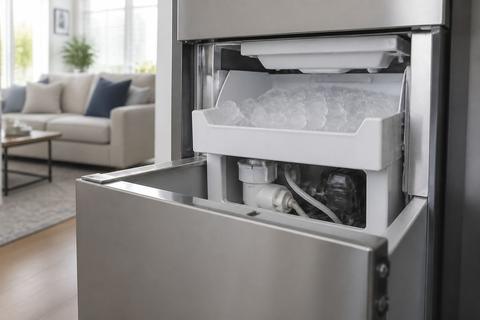
Whirlpool Ice Maker Frozen, Leaking, and Clog Repairs
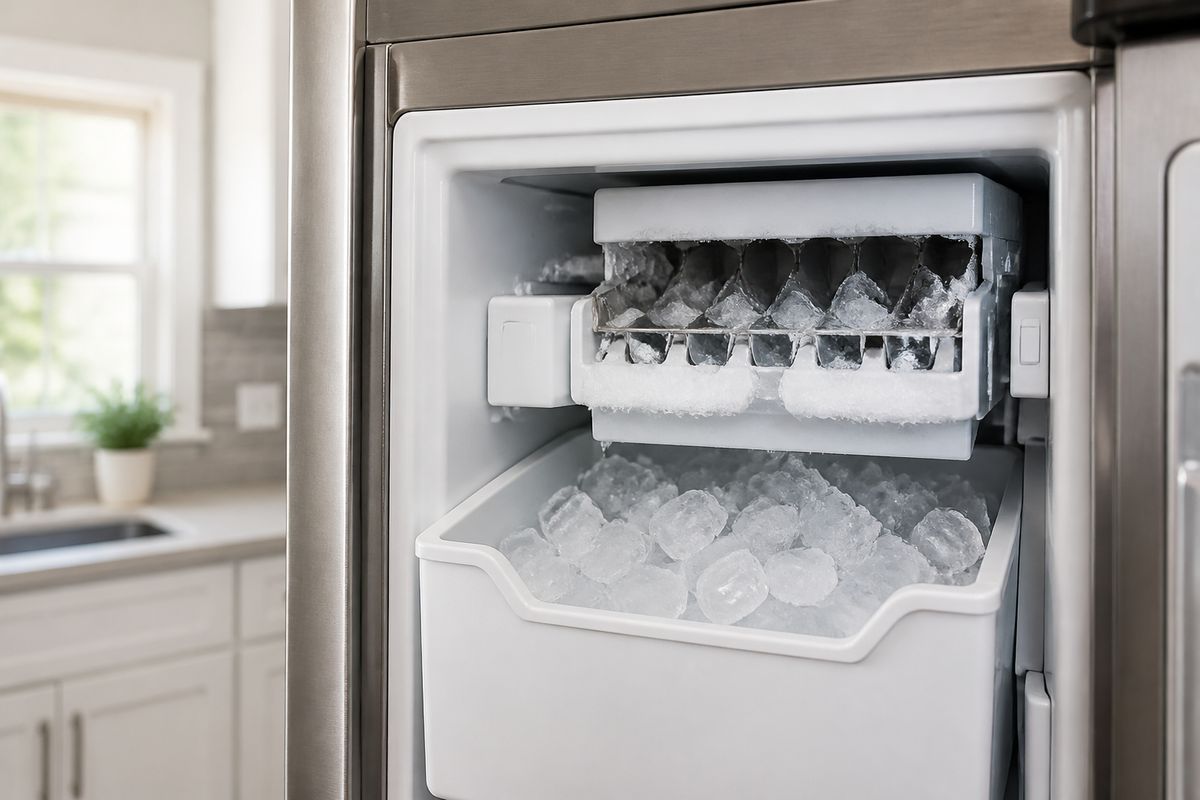
If your Whirlpool ice maker has stopped making ice—or it’s dripping water, freezing over, or clogging up again—you’re not alone. Whirlpool Ice Maker Frozen, Leaking, and Clog Repairs is often the exact problem behind no/slow ice, repeated freeze-ups, and puddles near the freezer. In many cases the root cause is water that can’t flow correctly (frozen fill parts, clogs, or a drain back-up), and fixing only the symptoms doesn’t last.
How to Thaw a Frozen Whirlpool Ice Maker and Unclog the Lines
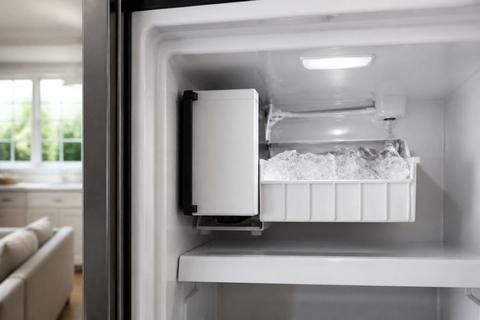
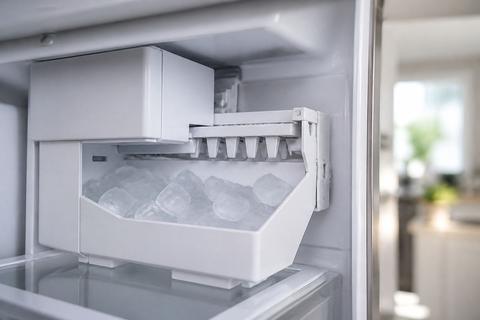
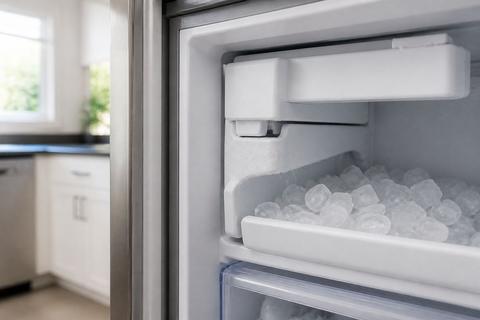
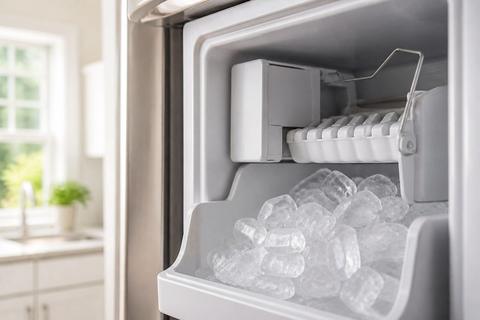
A frozen ice maker can stop production, slow water flow, and create recurring clogs if the restriction is inside the ice maker assembly. Freezing tends to happen around the ice mold area and the internal water path feeding it. Before you reach for parts, thaw the system safely and clear the line so water can move without forcing debris into valves and fittings.
- Unplug the refrigerator (or switch it off at the breaker) to keep the ice maker and water valves safe while you thaw.
- Move any food away from the ice maker area and place towels under the unit to catch meltwater.
- Use warm air from a hair dryer on a low setting at a safe distance (6–12 inches). Keep the dryer moving—do not focus heat in one spot.
- If your model has a front ice maker with an on/off feeler arm or sliding paddle, set the ice maker OFF while thawing.
- Once thawed, remove ice chunks you can access and let the unit sit for 10–20 minutes to restore normal flow.
- Reconnect power and allow up to 24 hours for normal production. If freezing returns, the restriction is still present and needs line-level diagnosis.
Full Guide: How to Thaw a Frozen Whirlpool Ice Maker and Unclog the Lines
How to Thaw a Frozen Whirlpool Ice Maker Fill Tube Safely
A frozen fill tube looks like a simple “no water” problem, but forcing it can damage the ice maker water path, inlet connections, or nearby components. The warning sign is thin ice or a hard block around the small water feed tube that supplies the ice mold. If you melt it carefully, you restore flow without breaking plastic or pushing ice back into the valve.
- Unplug the refrigerator and turn the ice maker OFF (feel arm/paddle up) so it won’t harvest while thawing.
- Locate the fill tube feeding the ice mold. You should see a thin line delivering water into the mold area.
- Thaw with warm water only if the tube opening is accessible; otherwise use a hair dryer on low heat from a distance and move it continuously.
- Avoid sharp tools, drilling, or “breaking” the ice with force—frozen plastic fittings crack easily.
- After thawing, wipe away meltwater and check that the tube is no longer blocked.
- Restore power and plan for recovery: the ice maker needs about a harvest cycle plus time for fresh water fill, typically up to 24 hours for steady ice.
How to Defrost a Whirlpool Freezer and Ice Maker Water Line
When frost spreads beyond one component, the issue is larger than a single frozen tube. Ice buildup in the freezer can reach the ice maker water line and disrupt filling—meaning thawing only the ice maker may not stop the problem from returning. If the freezer wall, vents, or back panel are heavily frosted, start by defrosting more broadly so the ice maker can refill with proper airflow and temperatures.
- Unplug the refrigerator and open the freezer door. Remove ice bins, food blocking the vents, and any loose ice buildup.
- Leave the unit off until all frost melts. Place towels around the base to manage runoff.
- Speed up thawing by using a fan and keeping airflow on, but do not use direct high heat sources that can damage plastic liners.
- Once the frost is gone, wipe standing water with a dry cloth and remove any debris.
- Plug the refrigerator back in and do not turn the ice maker ON immediately—wait until the freezer returns to operating temperature.
- Resume ice maker operation and allow up to 24 hours for normal production rate after the system stabilizes.
Full Guide: How to Defrost a Whirlpool Freezer and Ice Maker Water Line
Whirlpool Ice Maker Leaking Water: Causes and Repair Steps
A Whirlpool ice maker leak usually comes from a water path problem, not just “a wet spot.” The most common categories are: leaks at the water connection (loose or mis-seated fittings), a damaged fill/inlet valve, a cracked water line, overflow caused by misfill or incorrect fill control, or leaks created by ice buildup that melts in the wrong area. If your freezer also has heavy frost, melted ice can look like a “water line” leak even when the true issue is freeze-thaw disruption.
- Identify the leak zone: around the ice maker inlet area, behind the freezer panels, or at the bottom/drain region.
- Look for direct moisture trails toward a specific connection or line segment.
- If the ice maker area is iced up, thaw first so you can see where water originates.
- If you find a cracked line or damaged valve, replace that component rather than reseating tubing.
- After repairs, let the ice maker run and watch one cycle to ensure water fills without overflowing into the wrong pan area.
Whirlpool Bottom Freezer Leaking Water: Find and Fix the Source
Water pooling under a bottom-freezer Whirlpool model is a misleading clue: the leak may not start at the ice maker. Common sources include the ice maker water path, the defrost drain system, blocked or misrouted drain channels, or an internal leak that shows up only after meltwater accumulates. If the freezer has frost buildup, melting ice can travel to the bottom and mimic a “dripping ice maker” problem.
- Clear the floor area and place towels to map where water appears first.
- Inspect the freezer compartment for active water near the back wall, vents, and the drain opening area.
- Check the ice maker area for excess ice or signs that meltwater is escaping the normal collection path.
- If there’s standing water in the bottom region, focus on the defrost drain path before assuming an ice maker inlet leak.
- Thawing may be required if the drain is blocked by ice—remove ice without forcing tools into plastic drain channels.
- Once the source is cleared, allow the system to run through a melt cycle and observe where the first droplet forms.
How to Fix Ice Build-Up in a Whirlpool Bottom Freezer
Ice build-up in a bottom freezer is a symptom that points to airflow, drainage, or defrost issues. When cold air can’t circulate properly or meltwater can’t drain, frost expands and can eventually disrupt the ice maker’s water delivery. Fixing ice means treating the underlying cause—not only clearing frost, because the buildup will return if the defrost/drain or airflow problem remains.
- Unplug the refrigerator and let the freezer fully thaw if ice is thick or covering vents/back surfaces.
- Remove any ice that blocks airflow while keeping water-sensitive parts intact.
- Check for airflow restrictions: make sure vents aren’t blocked by food containers.
- Inspect the drain path for evidence of blockage or standing water channels after thawing.
- Look for recurring frost patterns: heavy frost on the back panel points to defrost performance issues.
- Restore power and monitor the freezer temperature stability so the ice maker and drain system don’t re-freeze due to improper cooling.
Full Guide: How to Fix Ice Build-Up in a Whirlpool Bottom Freezer
Whirlpool Freezer Freezes Up or Won't Stay Cold: How to Fix
When a Whirlpool freezer freezes over excessively or won’t hold a stable temperature, the ice maker problem is often downstream of a cooling/control issue. Cold air leaks, blocked vents, failing defrost components, or inadequate airflow can lead to ice accumulation that eventually interferes with water flow and drainage. Before replacing the ice maker itself, focus on whether the freezer is maintaining the correct temperature and airflow pattern.
- Check the freezer temperature reading and target it to the operating range (about 0–5°F).
- Inspect door seals: close the door on a sheet of paper; if it pulls out easily, replace the seal.
- Clear vent obstructions and ensure the fan isn’t blocked by packaging or ice.
- Look for widespread frost on the evaporator/back wall; excessive frost strongly points to a defrost problem rather than a water clog.
- Listen for fan operation during the cooling cycle and make sure you can hear/feel airflow once running.
- If cooling instability persists, prioritize diagnosing defrost, air circulation, and temperature control systems before repairing only the ice maker.
Full Guide: Whirlpool Freezer Freezes Up or Won't Stay Cold: How to Fix
Whirlpool Ice Maker Drain Pump Troubleshooting and Repair
A faulty drain pump can cause water to back up, freeze, or leak into the freezer compartment. When meltwater can’t clear correctly, it can refreeze around the ice maker area, interfering with ice production and creating puddles that look unrelated. Drain pump issues matter because the ice-making system relies on proper water removal to prevent standing water and repeat freeze-ups.
- Unplug the refrigerator to avoid electrical risk while accessing the ice maker/drain area.
- Locate the drain pump area and check for visible ice that blocks the pump or drain path.
- Clear accessible ice with safe thawing (warm air on low, no sharp tools), then wipe out standing water around the pump.
- If the pump is audible but doesn’t move water, check for clogs in the drain line connected to the pump.
- If the pump does not run when water should drain, inspect the pump wiring connections and look for damaged harnesses.
- Replace the drain pump if it fails diagnostic checks and water continues to back up, then allow the system to run for a full cycle so the drain path clears completely.
Full Guide: Whirlpool Ice Maker Drain Pump Troubleshooting and Repair
Frequently Asked Questions
Why does my Whirlpool ice maker keep freezing up?
Repeated freezing is caused by restricted water flow or improper melt/drain management. The most common culprits are a frozen fill tube, a clog in the water path into the ice mold, airflow problems that increase frost buildup, and defrost/drain issues that allow meltwater to refreeze. If freezing returns quickly after thawing, focus on the specific area where ice is forming so you can clear the root restriction instead of repeating thawing only.
What usually causes a Whirlpool ice maker to leak water?
Common causes include a loose water connection at the ice maker inlet, a worn or damaged inlet valve, a cracked water line, overflow due to misfill or incorrect fill control, and drain-related backup. Leaks can also appear near the freezer area when ice buildup melts and refreezes in the wrong place, then releases water as temperatures change. The key is identifying the first wet area and tracing it back to the correct water path.
Can I safely thaw a frozen Whirlpool ice maker myself?
Yes, you can thaw safely in many cases if you unplug the refrigerator and use gentle heat—such as a hair dryer on low—rather than sharp tools or high heat. Place towels to manage meltwater and avoid forcing ice chunks out with pressure. After thawing, monitor for restored water flow and improved ice production, because recurring freeze-up usually means the underlying restriction wasn’t cleared.
Is a leaking bottom freezer always caused by the ice maker?
No. Water under a bottom freezer can come from the ice maker, the defrost drain, a blocked drain line, or another internal water path. Ice buildup in the freezer can melt and travel to the bottom region, creating a puddle that points to the wrong source. Checking where the water first appears—ice maker area versus back wall/drain area—prevents unnecessary repairs.