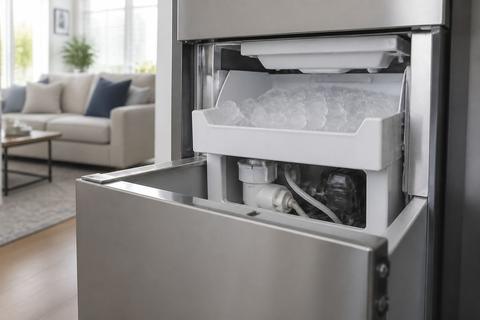
How to Thaw a Frozen Whirlpool Ice Maker and Unclog Lines
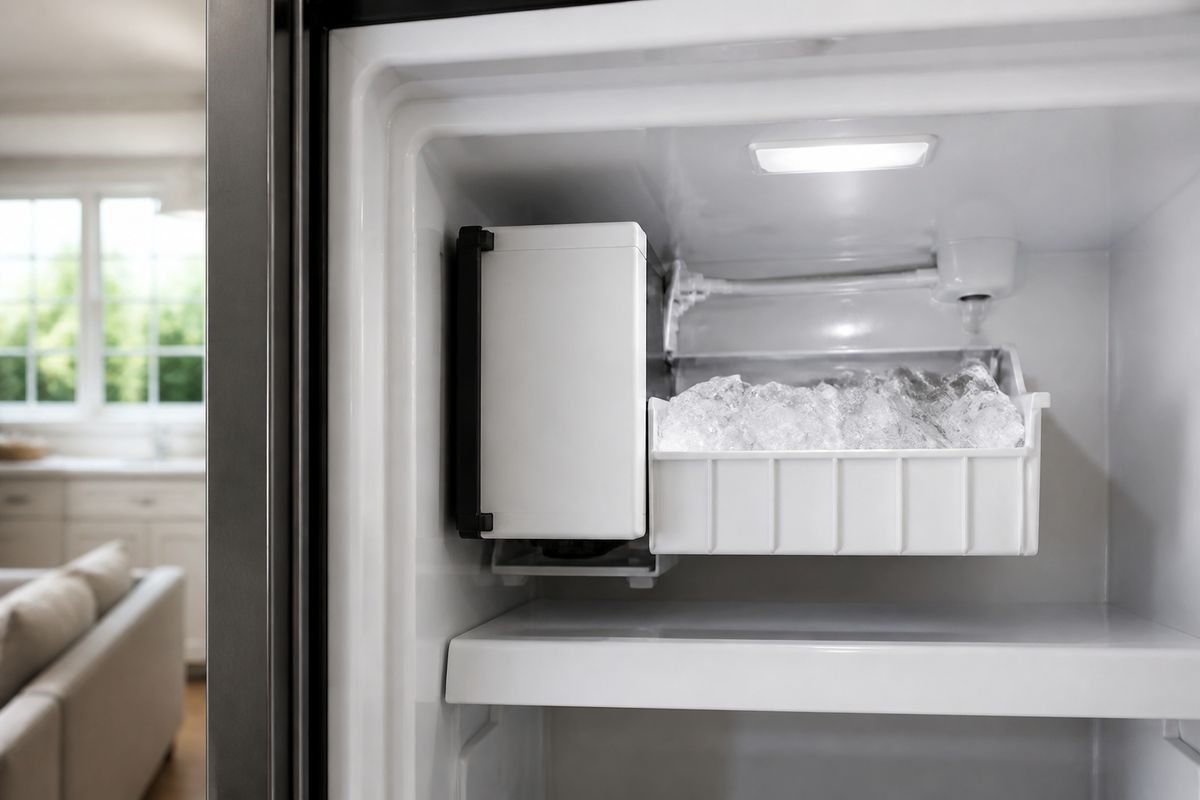
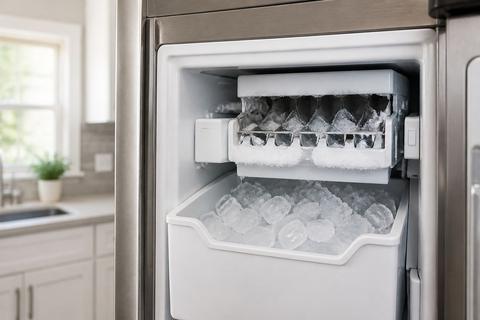
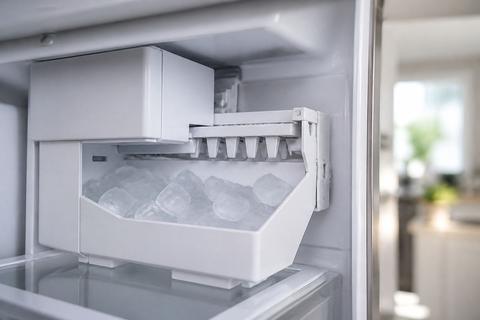
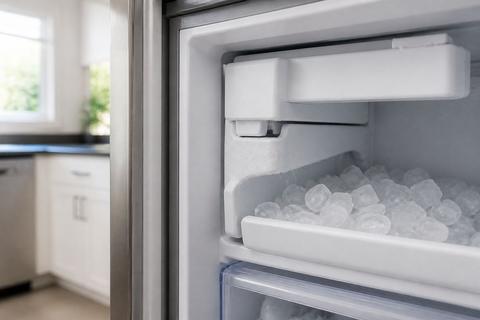
If your Whirlpool ice maker is frozen solid, ice won’t harvest, fill won’t happen, and the whole fridge setup feels stuck. Knowing how to thaw frozen whirlpool ice maker components safely can prevent cracked plastic parts, damaged wiring, and repeat clogs. Follow the steps below in order to melt the blockage, clear the water path, and get ice production back to normal.
For more help, see our Whirlpool Ice Maker Frozen, Leaking, and Clog Repairs guide.
Start with the fastest safe checks
Confirm the ice maker is actually frozen, not switched off
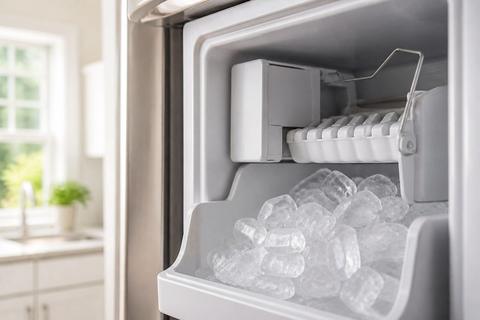
Before thawing, verify the ice maker isn’t simply turned off. On many Whirlpool units, look for the wire feeler arm/shutoff lever in the ice maker: lift it to the OFF position, lower it to turn the ice maker ON. If the arm is stuck up from ice buildup, gently move it down once power is stable. Also check whether the ice maker module indicator shows “on” status (if your model has a display). If the ice maker is off, thawing won’t solve the real cause of no ice.
- Locate the ice maker shutoff arm/feeler.
- Move it to the ON position (down).
- Proceed to thaw only if water/ice still isn’t working due to blockage or frost.
Turn off the ice maker before you begin
Power down prevents components from running while you’re thawing frozen water paths. Whirlpool ice makers use electrical controls and harvest motors; melting ice while the system cycles can force water into a still-frozen mold, worsening the clog. Turn the ice maker off first, either at the unit’s switch or by using the shutoff lever.
- Set the ice maker to OFF using the shutoff arm/lever.
- If your model has a dedicated ice maker switch, set it to OFF.
- Leave the freezer door open during thawing to let air exchange help melt the ice.
Gather a few safe tools and supplies
You can thaw effectively without risking damage. Gather items that apply gentle, controlled warmth and that won’t puncture tubes or trap water in electronics. Use soft cloths and room-temperature airflow rather than aggressive heat. Avoid anything that can melt plastic, warp wiring harnesses, or damage the ice mold.
- Towels or microfiber cloths to protect surfaces and absorb meltwater.
- A hair dryer on low heat (optional) with a safe distance from plastic parts.
- A small bowl or cup for catching drips.
- Warm (not hot) damp cloths for the bin/mold area.
How to thaw the ice maker without causing damage
Use room-temperature air to melt the blockage
The safest first method is room-temperature air. Controlled airflow helps ice soften and release without heating plastic or risking electrical components. Start with gentle airflow and patience—especially if the freeze is in the fill tube or around the mold.
- Turn the ice maker OFF (switch/arm up).
- Open the freezer door and let it sit with airflow for 20–60 minutes.
- If needed, increase airflow by positioning a fan at a distance (no direct blast on wiring).
If the freeze is thick, the fill tube clog can take longer; keep meltwater absorbed with towels to prevent pooling.
Warm the bin and mold area with a damp cloth
Once you’ve softened outer ice, focus on the bin and mold area to restore harvest movement. A damp cloth adds gentle warmth and moisture to help loosen ice without blasting plastic with concentrated heat.
- Wring a cloth so it is damp, not dripping.
- Place it against the ice bin area and around the mold region.
- After 5–10 minutes, gently remove loosened ice by hand only if it’s coming away easily.
Stop if ice resists strongly—forcing it can crack the mold or damage ejector parts.
Avoid heat guns, open flames, and boiling water
High heat is the fastest way to damage an ice maker. Heat guns can overheat plastic housings and warp the mold; open flames are dangerous and can ignite food residue. Boiling water can crack plastic or create thermal shock and stress fractures, especially near wiring channels and the mold body.
- Do not use heat guns or open flames.
- Do not pour boiling water into the ice maker.
- Do not use very hot water; thaw with room-temp air and warm damp cloths.
Clear the water line and inlet tube
Find the frozen section of the fill tube
A frozen fill tube is a common reason for no ice or only partial ice. The fill tube is the thin tube that feeds water into the ice mold. When it’s iced over, the ice maker harvest cycle can run but won’t fill properly.
- Locate the ice maker’s fill tube connected to the mold.
- Look for visible frost/ice buildup along the tube path.
- Identify the coldest/most encased section as your blockage point.
This step matters: thawing the right segment restores flow faster than warming the bin alone.
Thaw the line from the ice maker end back toward the source
Thaw in a direction that clears the ice maker side first, then works back. That prevents water from re-freezing inside the last remaining ice plug and helps you re-establish flow into the mold.
- Start thawing at the ice maker end of the fill tube (where it enters the mold).
- Apply low heat with a hair dryer on the outside of the tube or warm air from room temperature until it visibly loosens.
- Move gradually along the tube toward the refrigerator wall/supply side if the ice plug extends.
Use towels to catch meltwater and keep the hair dryer moving—do not concentrate heat on one spot for long.
Check the water valve and supply line for kinks or low flow
If the tube thaws but ice still doesn’t fill, the supply system may be restricted. Check the inlet valve feed and the supply line for kinks, crushed sections, or partial blockages. Also check whether the household water pressure is adequate; low pressure prevents the fill cycle from delivering enough water.
- Inspect the water supply line behind the refrigerator for kinks or tight bends.
- Check the water inlet valve connection for signs of restriction or improper routing.
- If your system has a water filter, confirm the filter isn’t overdue or clogged.
If your household water is low (Whirlpool spec is roughly 35–120 psi), the inlet may not deliver proper fill volume.
Unclog the ice maker and restore ice production
Remove built-up ice, mineral scale, and debris
After thawing, the ice maker often has leftover chunks or mineral buildup that blocks moving parts and restricts water distribution. Clean out loose ice debris first, then address scale that forms when water contains minerals. Clear parts so water can flow freely into the mold.
- Remove any loose ice chunks from the bin area with a gloved hand.
- Wipe away mineral scale on accessible surfaces using a soft cloth.
- If scale is hardened, use gentle cleaning with warm water on cloths—do not scrape aggressively against plastic.
Avoid sharp tools that can gouge the mold or damage ejector mechanisms.
Clean the mold, ejector blades, and bin
Cleaning restores normal harvesting and prevents future sticking. Focus on the ice mold and the ejector/blade area (where ice releases). Residue and thin ice crusts can trap water and freeze again.
- Wipe the ice mold interior and ejector/blade surfaces with a damp cloth.
- Dry with a towel so you’re not leaving standing water that refreezes.
- Clean the bin surfaces so remaining flakes don’t fall back into the mold area.
Do not apply harsh chemicals inside the ice mold unless your manual specifies them.
Run a test cycle and watch for normal refill
Once thawing and cleaning are complete, restart production and verify water can reach the mold. Turn the ice maker ON and let it go through a harvest/refill cycle. Many Whirlpool ice makers cycle roughly every 90 minutes to 2 hours once water and freezer temperature are correct.
- Turn the ice maker back ON using the shutoff arm/lever.
- Close the freezer door and let the unit operate.
- Monitor the first refill to ensure water flows to the mold and cubes harvest.
After clearing a jam or line issue, allow about 24 hours to return to a normal production rate.
Why Whirlpool ice makers freeze up
Poor freezer temperature settings
Freezer temperature that runs too warm leads to inconsistent freezing, which can create larger ice bridges that later harden into clogs. Whirlpool ice production depends on the freezer staying cold enough for consistent ice formation (about 0–5°F). If the freezer is warm, water can partially freeze and then expand during harvest cycles, trapping ice in the fill path.
- Check the freezer temperature setting and measured temperature.
- Adjust to the recommended range so the unit stabilizes at about 0–5°F.
- Keep the freezer door closed longer during thaw recovery to prevent warm air entry.
A failing water inlet valve or clogged filter
A weak inlet valve can deliver slow or intermittent water flow, encouraging partial freezing and mineral accumulation at the inlet and fill tube. A clogged or overdue water filter can reduce flow as well; reduced water delivery often results in small ice cubes, slow production, or incomplete fills.
- Replace an overdue filter (Whirlpool EveryDrop filters are rated about 6 months / 200 gallons).
- If the filter is recent but flow is weak, suspect the water inlet valve performance.
- Inspect for persistent low-flow symptoms: slow trickle, no fill, or incomplete batches.
Air leaks, frost buildup, or a bad door seal
Warm air intrusion adds moisture that freezes into frost bridges around the ice maker housing and nearby components. Frost can block air circulation and increase ice formation where it shouldn’t be, including around the fill path. A failing door gasket or frequent door openings can worsen the moisture buildup.
- Inspect the door seal for gaps, warping, or poor contact.
- Look for abnormal frost patterns around the ice maker area.
- Reduce warm-air exposure by minimizing door open time until normal operation returns.
When the problem keeps coming back
How to reset the ice maker after thawing
If the ice maker is still “stuck” after thawing, a reset can clear control logic that stopped production due to a jam or fill error. Reset steps vary by model, but the goal is the same: restore normal operation so the ice maker can harvest and refill properly.
- Turn the ice maker OFF using the shutoff arm/lever.
- Wait several minutes to let the control settle.
- Turn the ice maker ON again and allow up to 24 hours for normal production.
If your model has a power button or control menu option, use the manufacturer’s reset procedure listed on the unit.
When to replace the water filter or inlet valve
Recurring freeze-ups point to water delivery problems. Replace the water filter when it’s overdue or if flow is weak and ice cubes are small or hollow. If the filter is new and issues persist—especially slow or no fill—replace the water inlet valve because it can fail internally and restrict flow even when power cycles.
- Replace the water filter if it’s more than about 6 months old or if flow is reduced.
- If flow remains weak after filter replacement, test symptoms and suspect the inlet valve.
- After inlet valve replacement, allow the first 2–3 full batches to be discarded if installation or filter changes occurred.
Signs the freezer needs service from a technician
If the freezer can’t hold proper temperature, the ice maker will keep freezing up from moisture and inconsistent cycling. Persistent frost buildup, repeated no-fill conditions, or a freezer that won’t reach 0–5°F signals a likely refrigeration or defrost issue. These require diagnostic work beyond thawing and cleaning.
- Freezer temperature won’t stabilize in the 0–5°F range.
- Frequent frost accumulation that spreads beyond the ice maker area.
- Ice production fails repeatedly despite a clear fill tube and new filter.
A technician can check defrost performance, airflow, and ice maker supply components safely.
Special cases and related ice maker freeze-ups
What to do if a different brand ice maker is frozen shut
Other brands often share the same failure pattern: frozen fill lines, stuck shutoff arms, or blocked molds. Start with the safest approach: power down, use room-temperature airflow, and thaw the fill tube rather than forcing parts. Then clean debris and check the water filter and supply pressure.
- Turn off the ice maker using that brand’s shutoff switch/arm.
- Thaw with room-temperature air and warm damp cloths.
- Clear the feed tube and inspect the water filter and inlet valve for restriction.
If you’re unsure of how your specific model’s ice maker disengages, consult its manual before removing modules.
How this repair differs from a washing machine clog
A refrigerator ice maker line issue is a frozen-water/ice-block problem, not a debris-only drain clog. Thawing methods must protect plastic molds and wiring, and the “path” is a feed tube and inlet valve rather than a hose with a drain pump. Also, refrigerator water quality and filter status affect ice formation, not just blockages.
- Thaw frozen fill components instead of using plungers or drain cleaners.
- Focus on water inlet flow, filter condition, and temperature stability.
- Clean molds and ejector areas to restore harvest movement.
When a full refrigerator reset is worth trying
A full reset can help if the ice maker control isn’t responding correctly after thawing and thawed lines show normal flow. Use it when basic OFF/ON resets don’t restore production, or when your model has persistent ice maker fault behavior. Perform the reset according to your owner’s manual guidance for your exact Whirlpool configuration.
- Try the ice maker OFF/ON reset first.
- If still stuck, perform the refrigerator’s reset procedure per the manual.
- After reset, monitor refill to confirm water reaches the mold.
Frequently Asked Questions
How long does it take to thaw a frozen Whirlpool ice maker?
Most Whirlpool ice makers thaw in 20 to 60 minutes with the freezer turned off and the door open or with gentle room-temperature airflow. A thick freeze in the fill tube can take longer because the blockage sits inside the tube feeding the ice mold. Using a warm damp cloth on the bin and mold area can loosen ice faster once the outer buildup softens.
Can I use a hair dryer to thaw an ice maker?
Yes, but use low heat and keep the dryer at a safe distance. Keep airflow moving so you don’t overheat plastic parts, wiring, or the ice mold. Thaw the outside of the tube and mold area first, and stop if you see signs of melting distortion around plastic components.
Why is my Whirlpool ice maker frozen up again after thawing?
Recurring freeze-ups usually point to a water valve issue, a blocked fill tube, a temperature problem, or excess moisture entering the freezer compartment. If the fill tube repeatedly ices over, check for supply restrictions (filter, valve, kinks) and confirm freezer temperature stays in the 0–5°F range. Also inspect the door seal for leaks that create extra frost buildup.
How do I know if the water line is frozen or clogged?
If the ice maker cycles but does not fill, or only makes a weak trickle, the line or inlet tube may be frozen or restricted. A complete lack of water at the dispenser can also suggest a supply issue. If thawing the fill tube restores normal refill, the blockage was in the tube path rather than the mold mechanics.
Should I remove the ice maker to thaw it?
Usually no. Most freeze-ups can be resolved in place by thawing the fill tube and cleaning the mold and bin area. Remove parts only if your manual specifically allows it and you are comfortable disconnecting water and power safely; improper removal can worsen leaks or create electrical and plumbing issues.