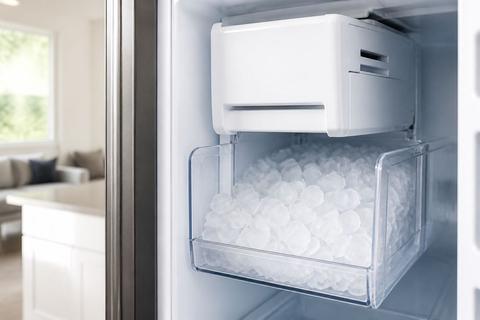
Fix Samsung RF23J9011SR Ice Maker Not Working Fast
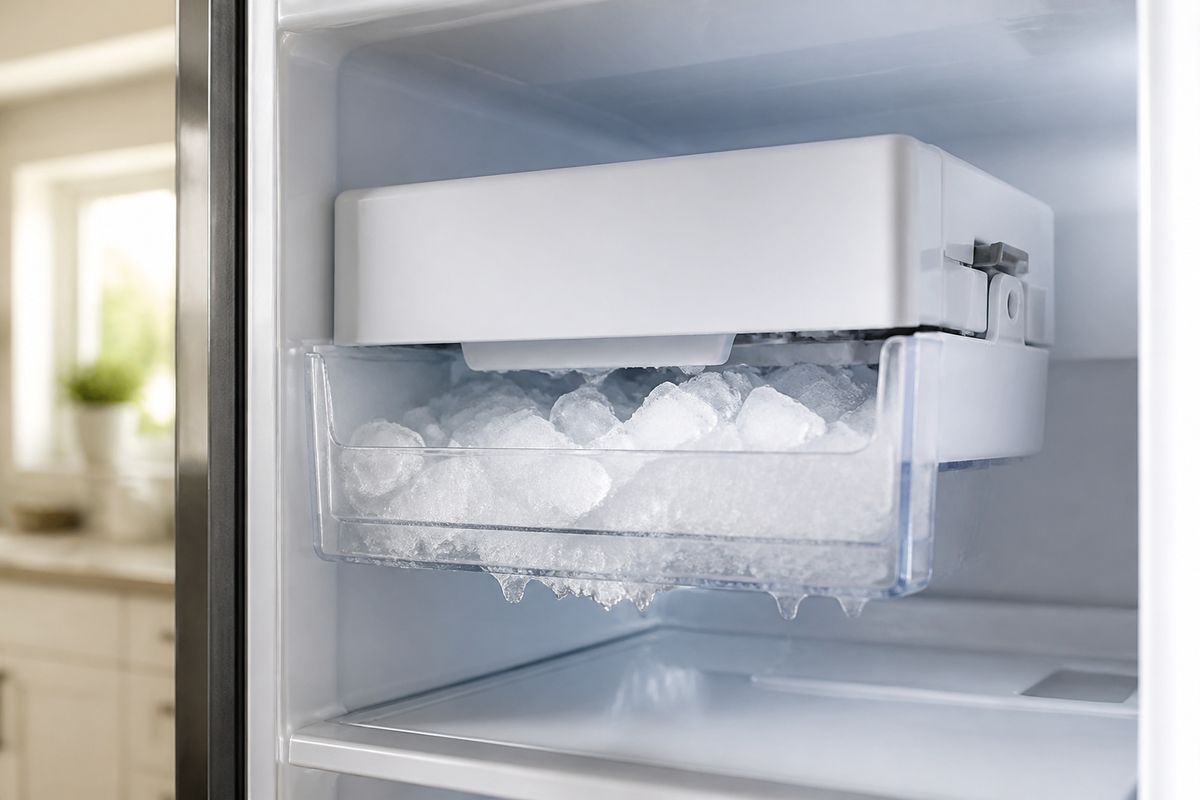
If your samsung rf23j9011sr ice maker not working, the problem is usually not “the ice” but a jam, frost lockup, or a supply/temperature issue that stops the ice maker from harvesting and refilling. The good news: you can often get ice flowing again quickly by thawing safely, resetting the unit, and addressing the exact water/air conditions that cause freeze-ups.
For more help, see our Samsung Ice Maker Models: Manuals, Parts, and Fixes by Model guide.
Confirm the Ice Maker Is Actually Frozen
Check for frost, clumped ice, or a jammed ejector
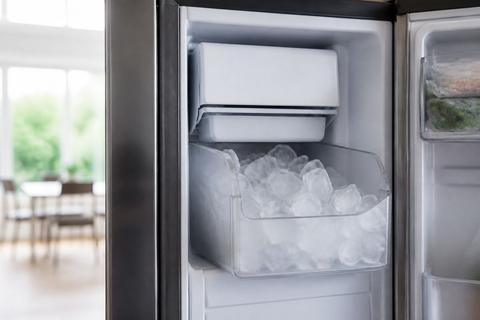
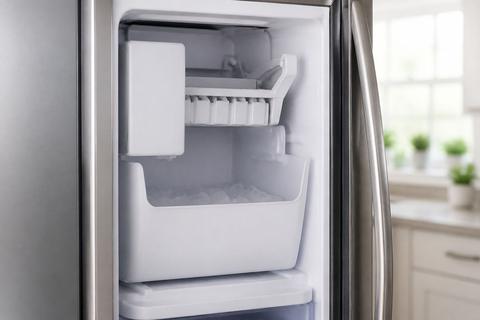
The fastest way to diagnose an ice maker that “won’t make ice” is to confirm it’s stuck in a frozen or harvested state. Remove the ice bucket and look into the ice maker compartment for visible frost, clumped cubes, or a solid block where cubes should drop.
- Open the freezer and remove the ice bucket carefully.
- Inspect the ice maker chute and tray area for ice bridging across the outlet.
- Check whether the auger/ejector area looks blocked with packed ice or frozen debris.
- If you see a jam, do not force components with tools—thaw first (next step).
Distinguish a freeze-up from a water-supply failure
A freeze-up stops harvest and leaves you with little or no movement; a water-supply issue prevents proper filling. If you see thick frost around the fill area or ice packed at the chute, that points to freezing. If the tray stays dry and there’s no new melt water, the fill step is failing.
- Remove the bucket and observe whether the tray has frost/ice growth or remains mostly clear.
- Look for signs of water flow: water stains in the tray area or recent melt marks.
- If the tray looks dry and there’s no fresh water behavior, treat it as a water/pressure problem.
Use a safe thawing method before testing anything else
Before you reset or retest, thaw the ice maker so you don’t damage plastic parts or sensors.
- Turn the refrigerator off or unplug it.
- Empty the ice bucket and remove any loose ice chunks.
- Let the ice maker compartment thaw naturally for 1–2 hours, or use gentle warm air (hair dryer on low, held at a distance) to melt frost on the auger and chute.
- Once thawed, wipe away melt water and debris so the chute can move freely.
Reset the Ice Maker and Recheck the Basics
Find and use the ice maker test or reset button
Most Samsung French-door refrigerator ice makers include a manual test cycle. This tells you quickly whether the unit can harvest and fill after thawing.
- Remove the ice bucket.
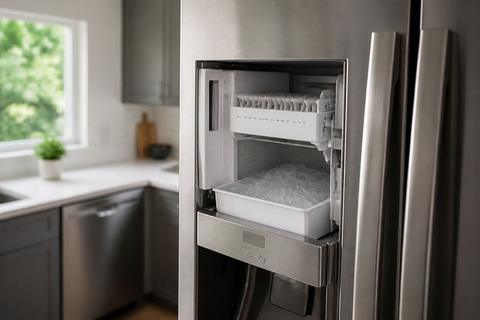
- Locate the small blue Test button on the underside or right side of the ice maker assembly (access varies by version).
- Press and hold the Test button for about 10 seconds until you hear a chime.
- Watch for the harvest action and a refill attempt as the cycle runs.
Power-cycle the refrigerator the right way
A correct power cycle clears control locks after a frost event.
- Switch the ice maker to Ice Off on the refrigerator panel (if available).
- Remove the ice bucket.
- Switch power back on and restore ice operation.
- Leave the freezer undisturbed during the first recovery phase.
After power returns, the ice maker typically needs up to 24 hours to fully refill and begin producing again; discard the first batch if you see any thaw-water contamination.
Verify the freezer temperature and door seal
If the freezer is too cold or air is leaking, the ice maker compartment freezes faster and refuses to harvest.
- Check the freezer setting on the display; set it to 0°F (-18°C).
- Open the freezer door and inspect the gasket for gaps, folds, or wear.
- Close the door on a sheet of paper: if it slides out easily, the seal is weak.
- Ensure the freezer isn’t overloaded, which blocks airflow to the ice maker area.
Fix the Water and Airflow Conditions That Cause Freezing
Inspect the water line for kinks, pressure loss, or blockage
Insufficient water pressure prevents proper filling and can lead to repeated freeze behavior around partial ice formation.
- Pull the refrigerator slightly out from the wall.
- Check the water line connection behind the unit for a kink or crushed section.
- Confirm the shutoff valve is fully open.
- Re-seat the water line connection if it looks loose or misaligned.
Replace a clogged filter and prime the system
A restricted water filter reduces flow enough to stop normal fill timing.
- Locate the water filter housing inside the refrigerator (or at the base grille).
- Replace the filter with the correct Samsung model.
- After replacement, run water at the dispenser for 2–3 minutes to prime the line (until water flows steadily).
Once the fill rate is restored, the ice maker can complete its refill/harvest cycle in the next production window.
Clear vents so cold air is not overcooling the ice compartment
Overcooling increases frost buildup in the ice maker cavity and triggers freeze-lock.
- Remove any items blocking the freezer vents near the back wall.
- Check for ice blocking vent grilles and remove any visible frost buildup.
- Ensure nothing obstructs airflow around the ice maker area.
Maintain normal airflow by avoiding tightly packed items against vent openings.
Clean the Ice Maker Components Safely
Remove mineral buildup and ice debris from the tray
Minerals and debris slow harvest and create bridging where cubes freeze together.
- With the ice maker thawed, remove loose ice chunks from the tray and chute.
- Wipe the tray surfaces with warm water and a soft cloth.
- If you see mineral scale, dissolve it with warm water; do not scrape hard plastic parts with metal tools.
Check the fill tube for ice blockage
A partial blockage in the fill tube prevents water from reaching the tray, even if the freezer is cold enough.
- Locate the fill tube opening at the ice maker assembly.
- Inspect for ice near the opening.
- Melt any blockage with gentle warm air and wipe away melt water.
- Keep the pathway clear so the next fill cycle can reach the tray.
Make sure the ice bucket and auger move freely
Even small jams keep the mechanism from harvesting correctly.
- With power off, remove the ice bucket and observe the auger area through the compartment openings.
- Ensure the bucket sits squarely on its rails.
- Look for ice debris under the bucket contact points and remove it.
- If the auger feels stiff, thaw again before attempting any manual movement.
When the Problem Is a Samsung Design or Part Failure
Recognize symptoms of a faulty heater, valve, or thermistor
If thawing and water/airflow checks don’t restore production, an internal component is failing. The most common culprits in Samsung ice makers are the heater (can’t release cubes), the water valve (won’t open properly), and the thermistor/sensor (misreads temperature and stops cycles).
- Heater symptom: ice repeatedly freezes/bridges even after thorough thawing.
- Valve symptom: no water enters the tray during test cycles.
- Sensor symptom: ice maker light behavior or fault codes such as 5E/SE and a cycle that never completes.
Know when a new ice maker assembly is the better fix
If the ice maker repeatedly freezes after thawing, the fill path is clear, and water pressure/filtration are correct, replacing the assembly is often the fastest practical solution. A single failed component can make the whole module unreliable, and swapping the complete ice maker assembly restores factory calibration more reliably.
- Confirm the unit runs after the reset/test cycle.
- Confirm the tray receives water during the fill portion.
- If it still freeze-locks, plan for ice maker assembly replacement rather than repeated partial repairs.
Apply the same troubleshooting logic to similar Samsung models
Samsung ice makers follow a similar logic: harvest depends on correct temperature readings, correct water timing, and a release heater that clears cubes from the mold. If your RF23J9011SR has a related design, the same workflow applies—thaw safely, remove jams, verify water flow and filter condition, then address sensor/heater/assembly failure.
Use these same checks in the same order to avoid wasting time chasing the wrong cause.
Prevent the Ice Maker from Freezing Again
Set the freezer to the recommended temperature range
Keep conditions stable so the ice maker doesn’t overfreeze.
- Set the freezer to 0°F (-18°C).
- Avoid frequent door-open time that warms the compartment and increases frost cycling.
- After changes, allow the freezer a few hours to stabilize before judging ice output.
Keep the door closed and the gasket sealing well
Air leaks are a direct cause of excess frost on the ice maker cavity.
- Ensure the door closes fully without obstruction.
- Inspect the gasket for debris, warping, or tears.
- Replace the gasket if it won’t seal a paper test.
A tight seal reduces warm moist air intrusion that leads to heavy frost and ice bridging.
Use the filter replacement schedule and routine checks
Clean water flow prevents fill problems that lead to repeated freeze behavior.
- Replace the water filter on schedule (based on your model’s filter life indicator).
- After replacing the filter, prime the line by dispensing water until flow is steady.
- Every few months, inspect the ice maker area for small ice buildup and clear it early.
Frequently Asked Questions
Why does my Samsung RF23J9011SR ice maker keep freezing up?
The most common causes are a blocked fill tube, excess frost from warm air leaks, low water pressure, or a faulty ice maker heater that cannot release cubes properly. If the tray becomes heavily frosted and ice bridges form in the chute, the heater/release process is failing or the compartment is overfreezing due to temperature/air-leak conditions. If the tray stays dry with no refill behavior, water flow is insufficient due to a kinked line, closed shutoff valve, or restricted filter.
How do I thaw a frozen Samsung ice maker safely?
Turn the refrigerator off or unplug it, empty the ice bucket, and let the compartment thaw naturally or use gentle warm air. Avoid sharp tools that can crack plastic parts. You can use a hair dryer on low from a safe distance to melt frost on the auger and chute, then wipe away melt water and debris so the path is clear for the next cycle.
Can a bad water filter make the ice maker stop working?
Yes. A clogged or old filter can reduce water flow enough to prevent proper filling, which may look like a frozen or broken ice maker. When water can’t reach the tray on schedule, the ice maker may not complete its fill/harvest cycle, leaving you with little to no new ice. Replace the filter and prime the line after installation.
What temperature should the Samsung freezer be set to?
A freezer setting around 0°F is typically ideal. If it is much colder, the ice maker area can freeze more easily; if it is warmer, ice production may suffer. Set the freezer on the display to 0°F (-18°C) and allow time for temperature recovery before judging results.
When should I replace the ice maker assembly instead of repairing it?
If the ice maker repeatedly freezes after thawing, the fill tube is clear, and water supply is good, a failed heater, sensor, or assembly is often the most practical next step. Replacing the complete ice maker assembly reduces repeat troubleshooting because the module includes the heater/release and sensing components that control harvest and refilling on Samsung designs.